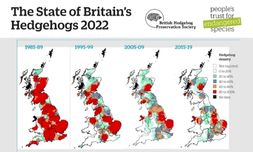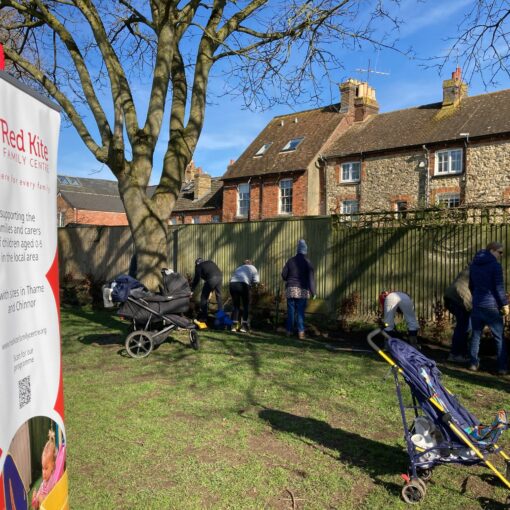
Biodiversity is currently in danger, with up to one million species facing extinction world wide, due to habitat loss, pollution, humans and climate change. However, the Global Biodiversity Framework and Biodiversity Conservation Bodies targets are being set out to reduce the collapse of nature. As part of our goals, 21st Century Thame invited Scouts to encourage insects into their garden by creating an Insect Watering Station. A place where the insects can sunbathe, swim, drink and be safe in the water!
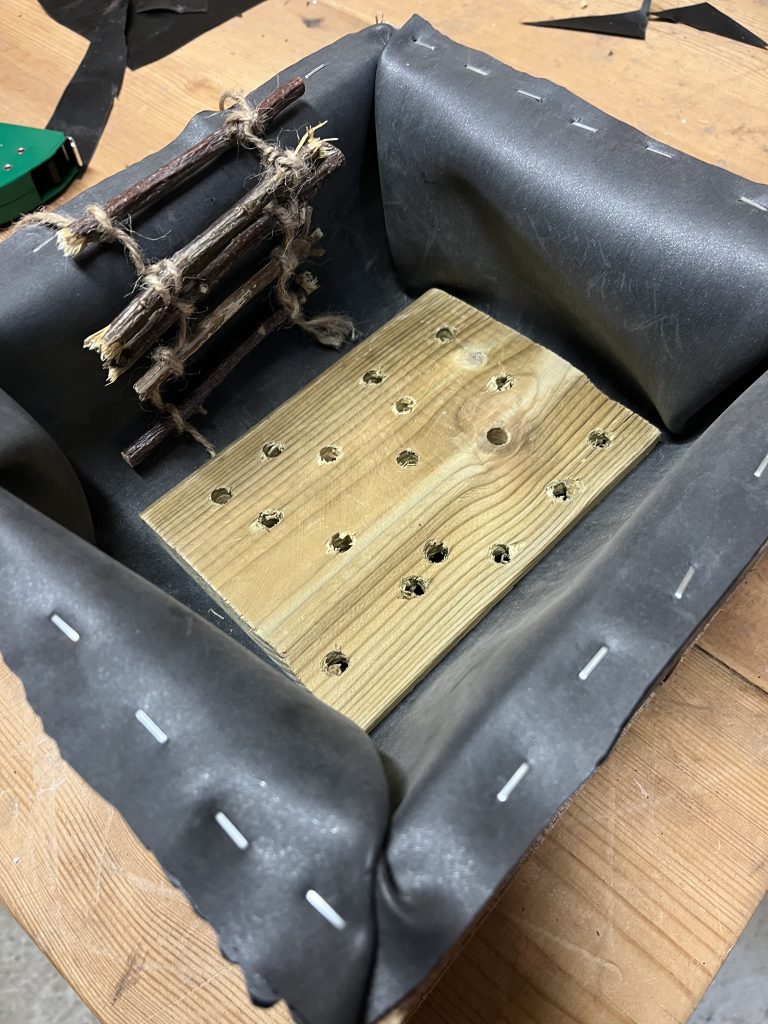
A complete Watering station for insects. Just fill with water.
Insects are the main food source for many animals and wildlife, without them brings a loss to biodiversity. Manicured lawns, pavements, and clean gardens do not create an insect haven and so therefore less wildlife would visit. Hedgehogs love insects, so do birds, so if you want to see these creatures at night, start creating a wild garden and a place where insects thrive.
Our Scouts were encouraged to create an insect watering station, to entice wildlife into their gardens. 21st Century Thame provided the Scouts with the materials for the workshop and some pond lining was kindly donated so they could create their water station.
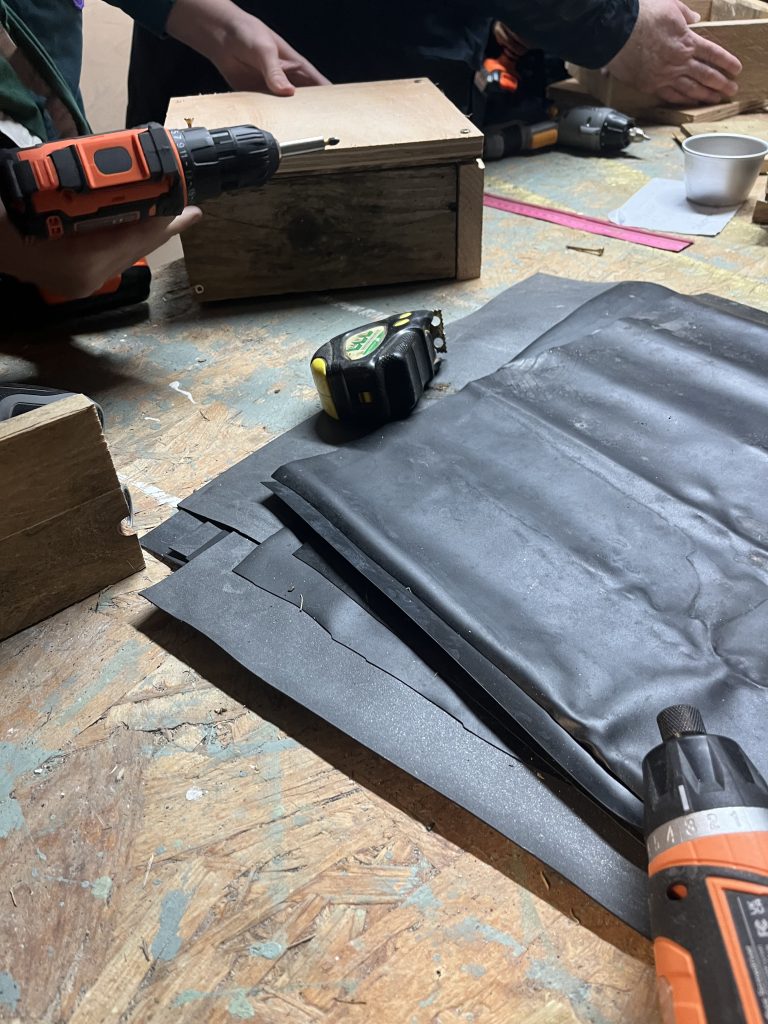
Firstly the Scouts had to piece together their box shape and drill in nails to secure their box.
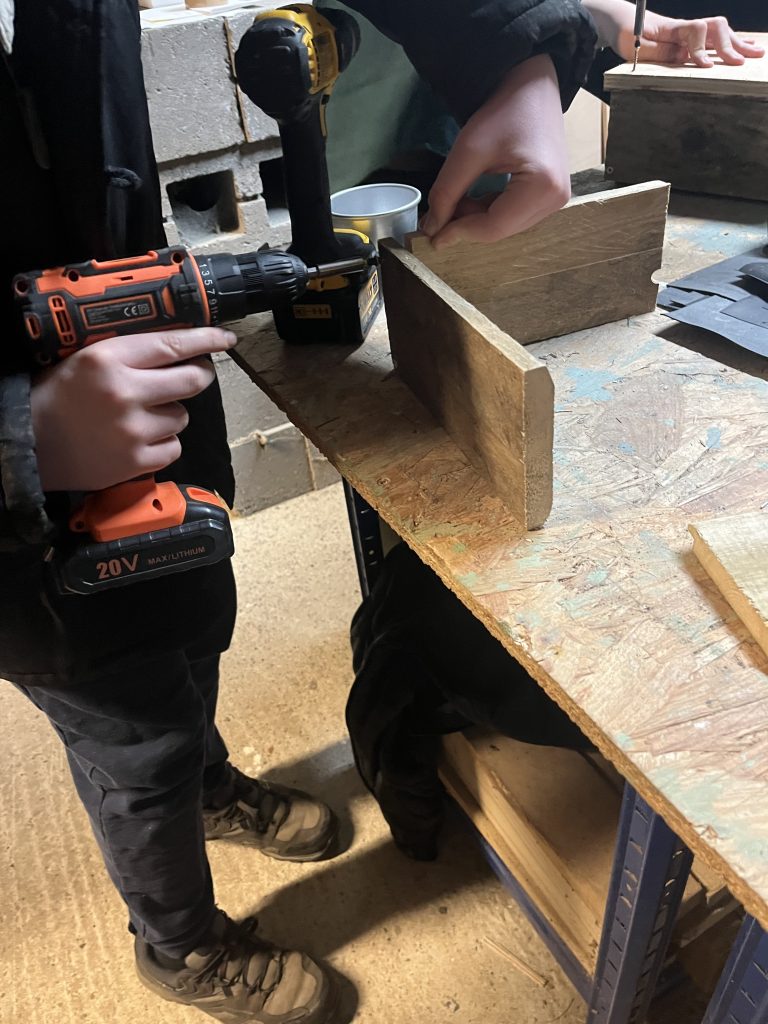
Attach the pond lining using a staple gun.
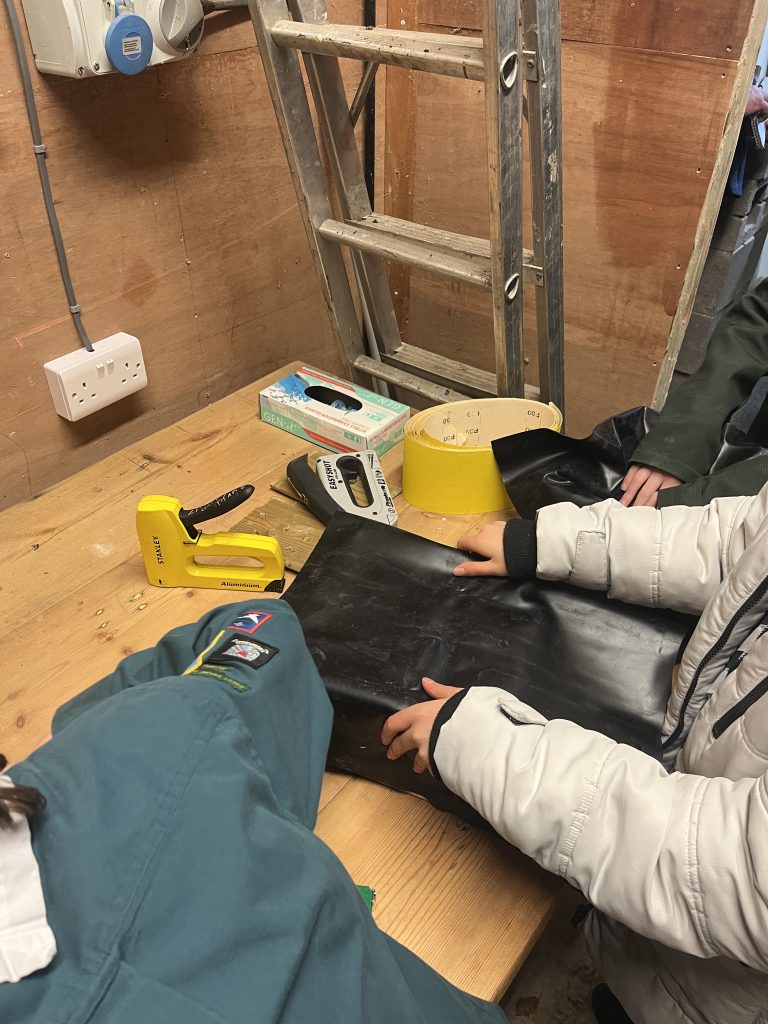
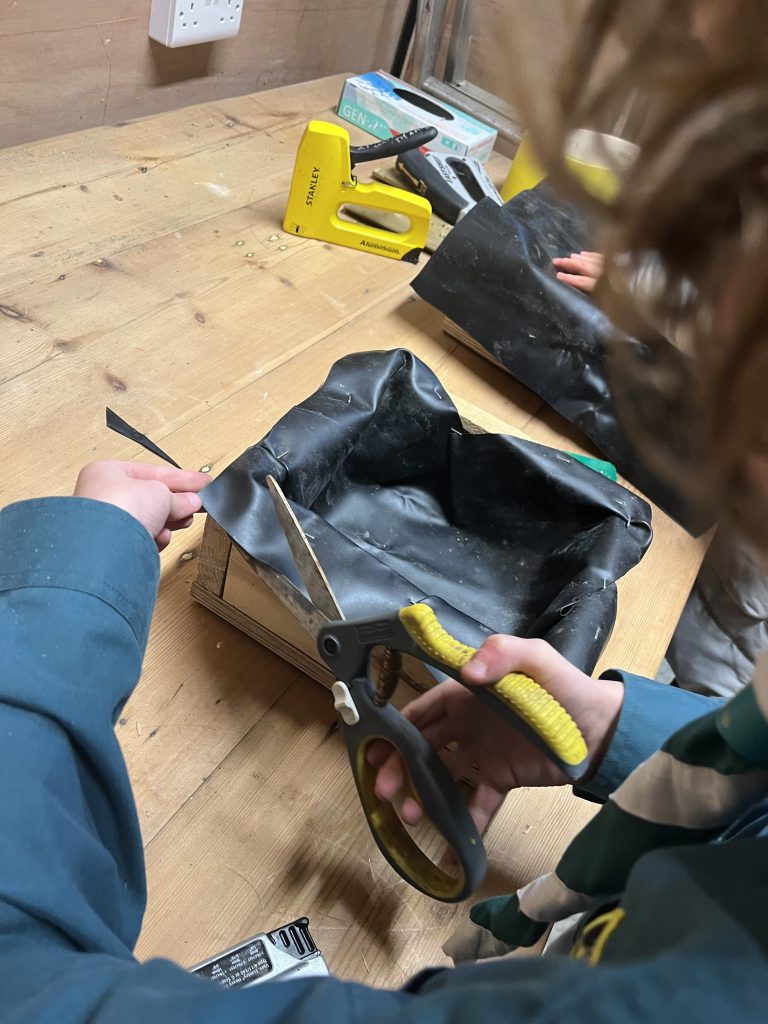
Trimmed the edges of their pond lining.
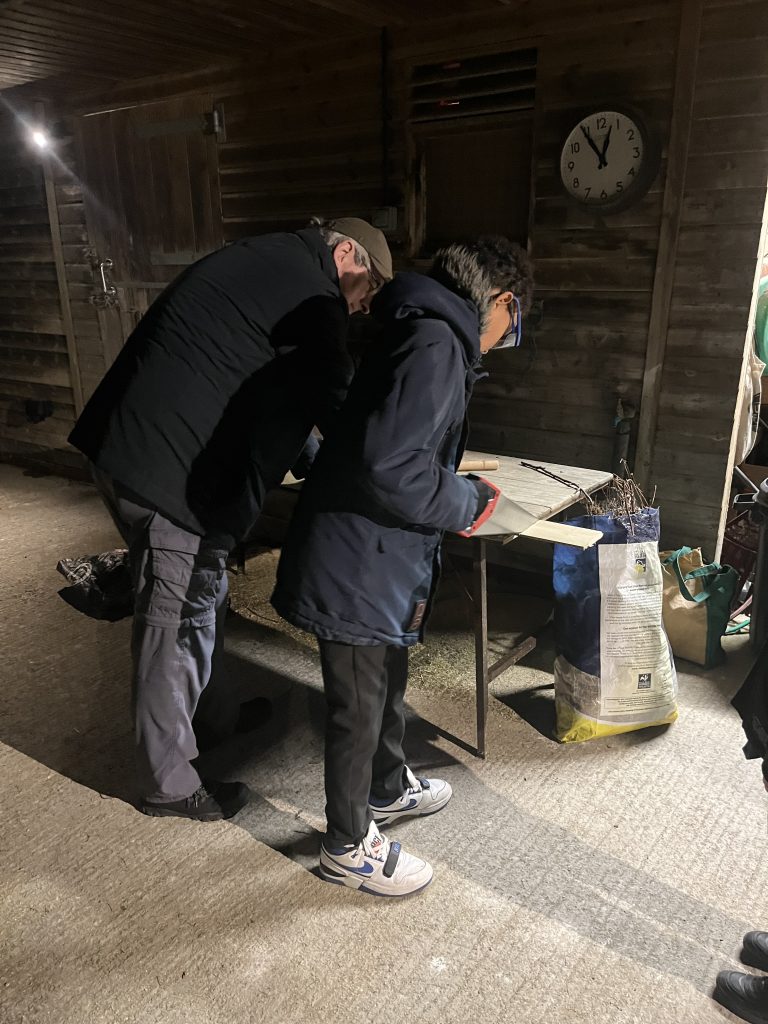
The best part was making the separate floating station where the insects would sunbathe and drink from the holes. The Scouts sawed a piece of wood to fit inside their pond box, so this could float when water was added.
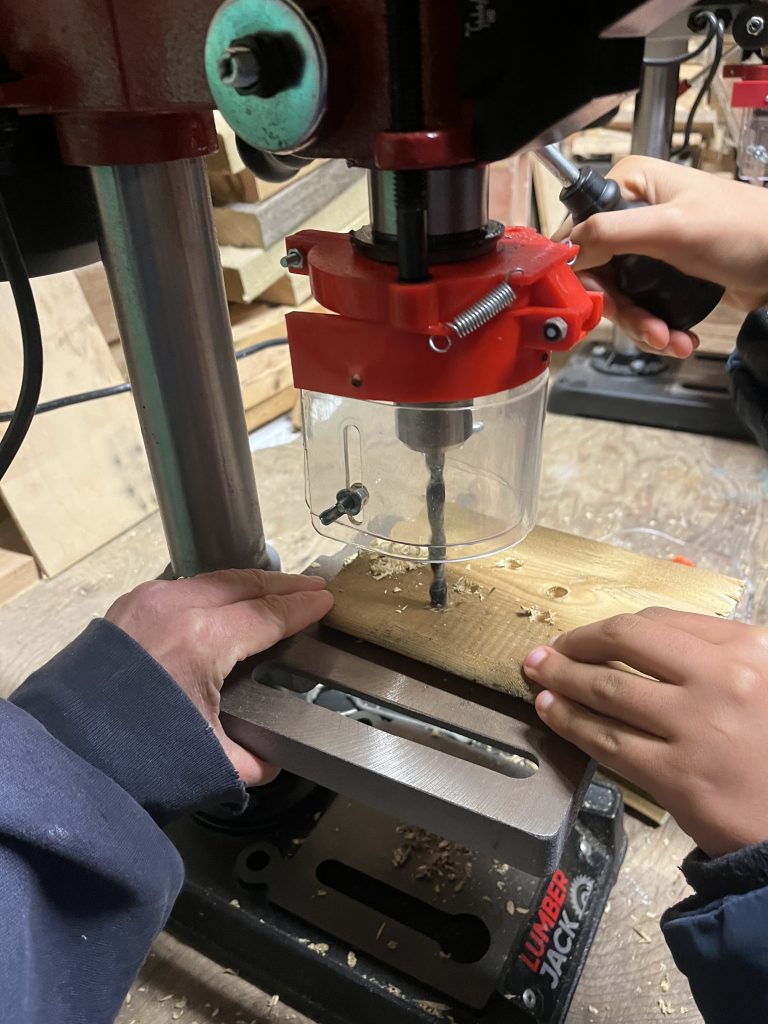
Using the pillar drill the Scouts drilled as many holes as possible. The holes act as a drinking station for the bees or insects, and the platform was their safe spot to avoid drowning.
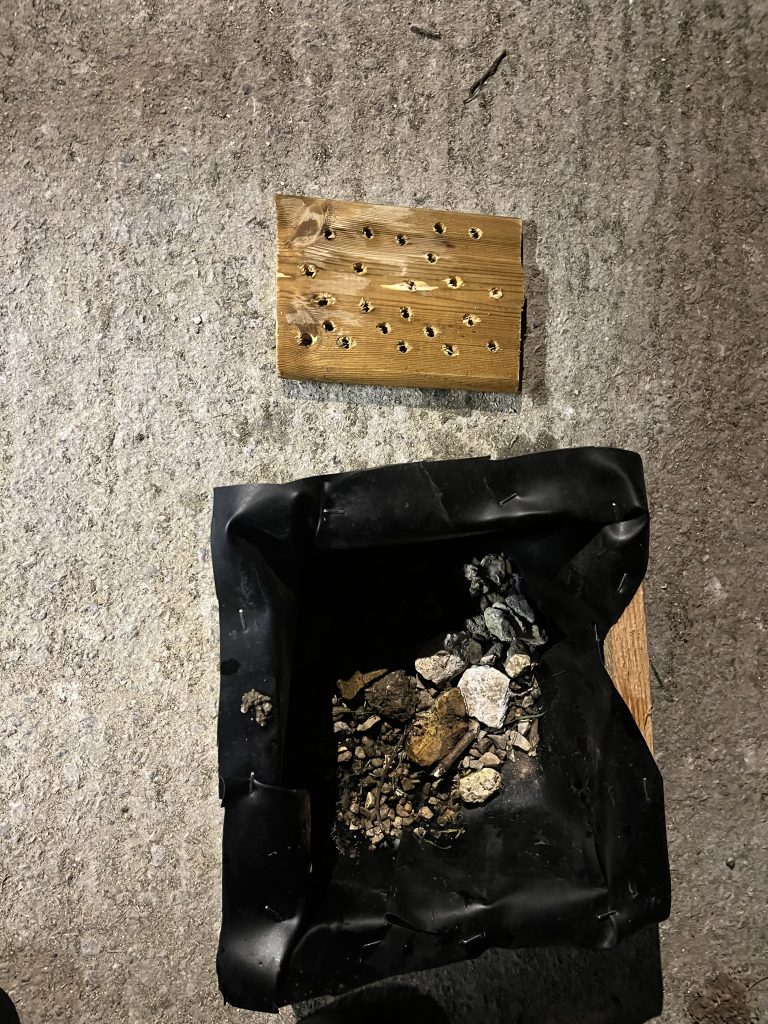
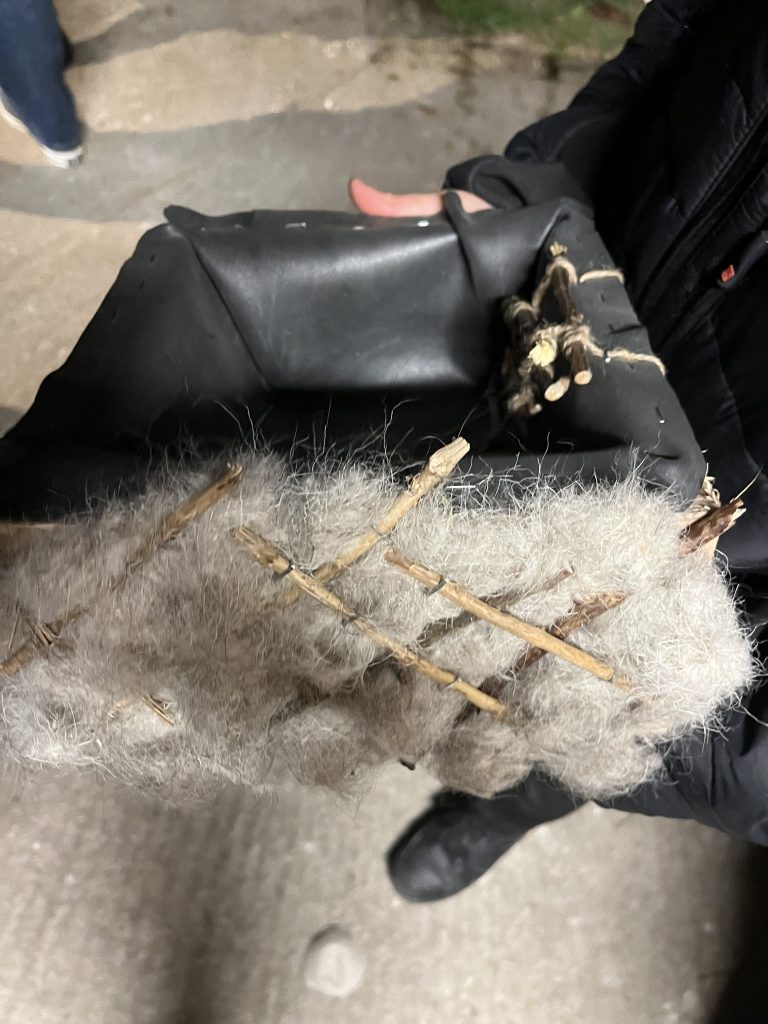
Then the Scouts used bits of wood and rope to make a ladder for the insects to climb in and out.
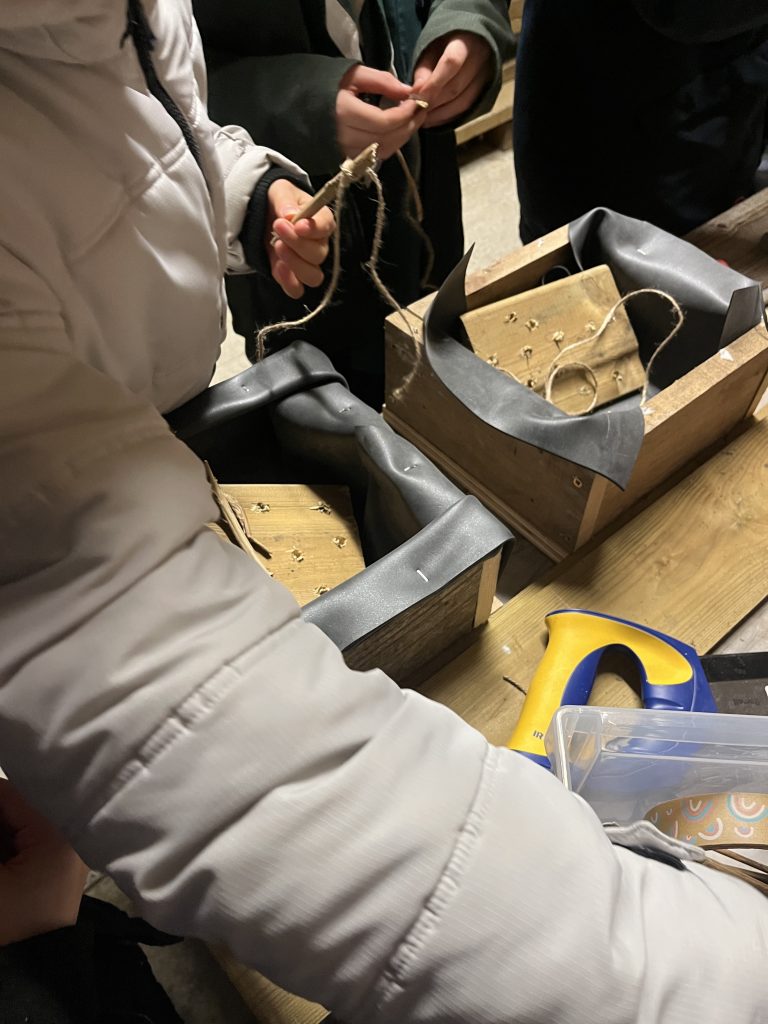
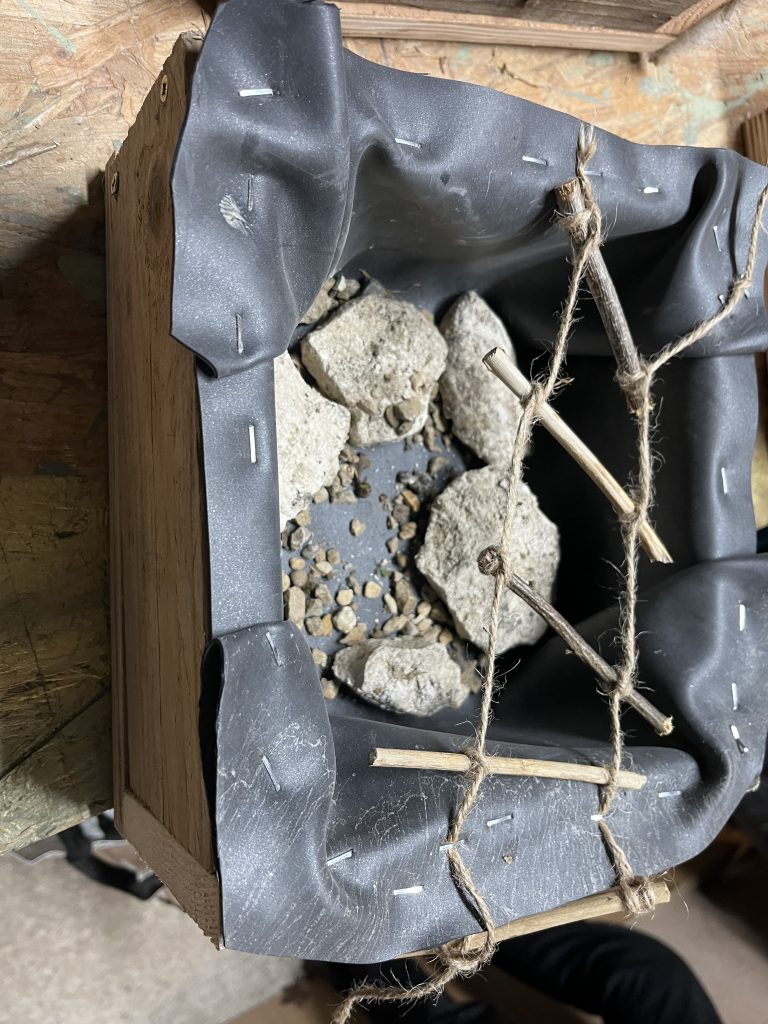
The insect watering stations could then be decorated on the outside to look like a bug hotel by adding moss and strings, or it could be used as a micro pond too, and filled with small pebbles and oxygenated plants.
At the end of the session, we discussed
- Where the best place would be to plant the insect water station?
- What insects might we want to attract and could we plant some pollinating plants near our water station?
- What wild animals and birds will we want to attract to our water station?
- What can we put around our station to attract certain animals or birds?
- How will we look after our watering station so it doesn’t get too murky?
Thank you to Lucy Electric for specific support for our nature education strand, and as always to our brilliant business sponsors Lightfoots and BP Collins, and support from TTC and SODC for our projects.
For more information on workshops or if you would like to volunteer at any of our education events please email [email protected].